Nyungwe National Park
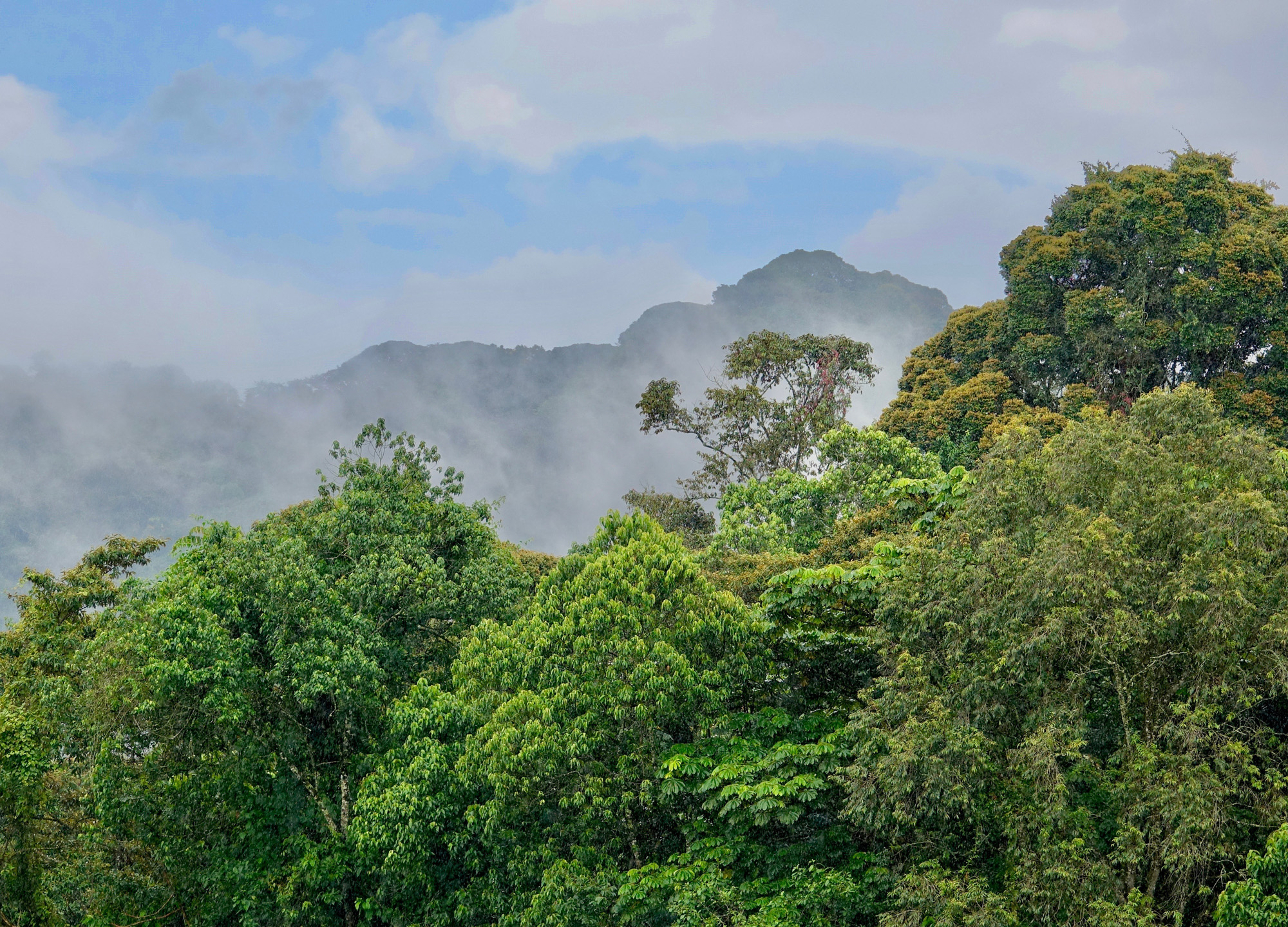
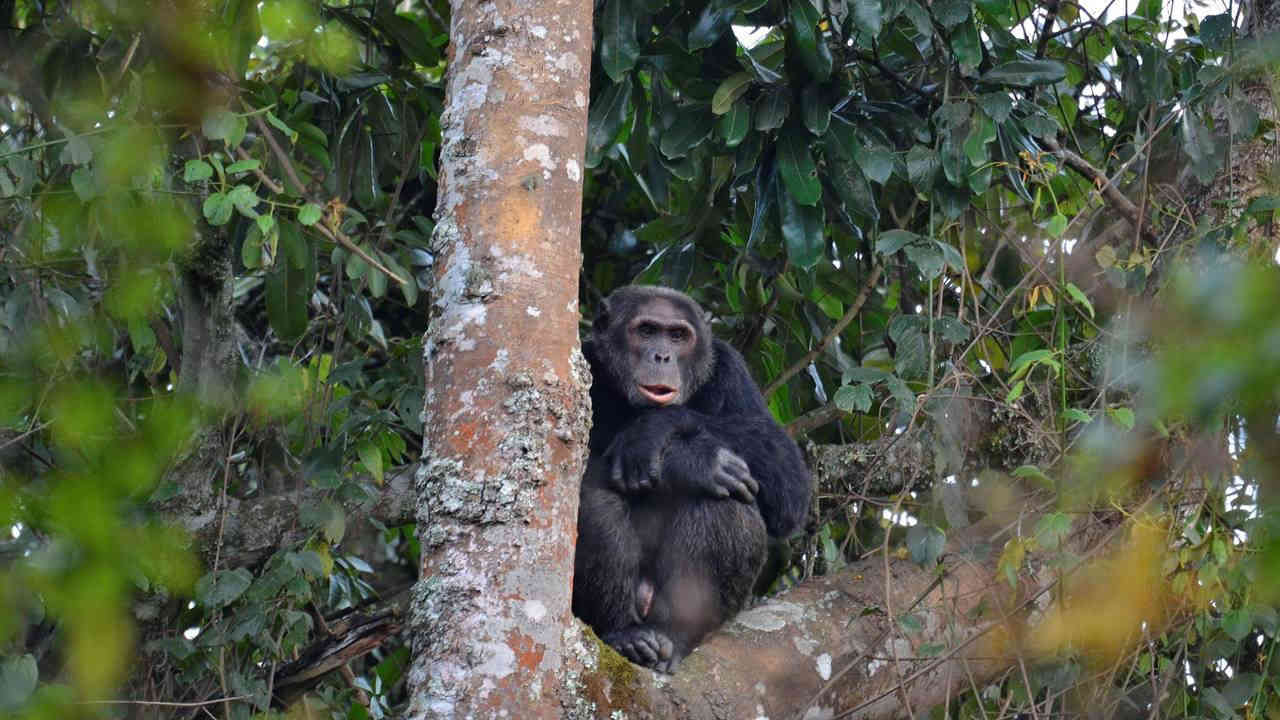
One of the oldest rainforests in Africa, Nyungwe is rich in biodiversity and spectacularly beautiful. The mountainous region is teaming with wildlife, including a small population of chimpanzees as well as 12 other species of primate including the L’Hoest’s monkey endemic to the Albertine Rift.
With 15 trails, along with various other activities, visitors can choose to sample the delights of the forest or indulge themselves for a week or more in one of Africa’s most stunning forests.
Primate tracking tops most visitor’s list, but it’s worth lingering a little longer for those with time to relax and take in the primal atmosphere.
Botanists will marvel at the 1,068 plant species and 140 orchids. The birdwatching is among the best in Africa with 322 birds species including Red-collared Babbler and 29 other Albertine Rift Endemic species. Butterflies are also a common sight, with at least 120 species.
There are 75 known mammals in Nyungwe, such as the cerval cat, mongoose, congo clawless otter and leopard to name but a few. Many tend to be shy so sightings are luck of the draw.
Memorable and photogenic moments include walking up to the Isumo waterfall or along the Canopy Walk suspension bridge. Tea plantations border the edges of the park, with a habituated troop of Ruwenzori colobus monkeys at Gisakura as well as forest fringe birds.
With plenty of rainfall, Nyungwe is also the major catchment area in Rwanda, and supplies water to 70% of the country.
A ridge running through the forest forms a watershed between the drainage systems of the Nile and the Congo. A spring on the slopes of Mt Bigugu is said to be the most remote source of the Nile, the world’s longest river.
What to do in Nyungwe National Park
Primate Tracking
Rwanda is renowned for its gorillas in the Volcanoes National Park, but the country is also home to chimpanzees as well a host of monkeys – colobus, golden, L’Hoest’s, owl faced, Dent’s, blue and vervet – alongside olive baboons as well as the nocturnal potto and bushbabies.
Chimpanzees are found in the Nyungwe National Park as well as in smaller number in the Gishwati Forest. Sociable creatures, chimpanzees live in extended communities and move around every day, foraging for food or occasionally hunting smaller mammals. They build fresh nests in the trees each night.
It is common to hear the chimpanzees before seeing them, with their vocalizations reverberating through the forest as they call to each other in a sort of bonding ritual.
Tracking starts early, at 5.30am, and can last anything from an hour to several hours depending on where the chimps are – visitors spend a maximum of one hour with them once they are found.
The terrain can be steep, slippery and muddy, passing through thick vegetation. Suitable footwear is essential, as well as a certain level of fitness.
Golden monkeys are found in Volcanoes National Park as well as Gishwati Forest. In the former, there are two groups which can be tracked, one on the slopes of Mount Karisimbi and the other in the bamboo forest on Mount Sabyinyo. This is also a standalone excursion, departing from the Kinigi headquarters once each day.
Other primates are usually seen on more generalist nature trails.
Colobus monkeys form a unique supergroup in Nyungwe and are easily recognisable with their black and white colouring and long hair – a dream for wildlife photographers. Also found in Nyungwe are owl-faced monkeys with beak-like noses, Dent’s monkeys, blue monkeys and vervets.
L’Hoest’s monkeys are endemic to Albertine Rift and can be found in Nyungwe and Gishwati Forest. They have a dark coat with a white beard and live in small groups dominated by females, with a single male.
Birding
Rwanda offers arguably the best African Montane Birding anywhere. Combine that with a great road network, safety and security, a diversity of habitats and you have one of the best eco-tourism destinations in Africa. The compact nature of the country means that several birding sites can be visited in a relatively short trip, giving access to some of the most desirable species in Africa.
In total 703 bird species are known from Rwanda (November 2018) and surprises are always possible with several species added to the country list since 2010. Among the resident species are 29 Albertine Rift Endemics and several Lake Victoria Basin Endemics, which should be on any birder’s wish list.
Most birders will want to focus their attention on Nyungwe National Park in the west of Rwanda and Akagera National Park located in the east. However, good birding can be found across the country and even close to Kigali, so no matter how long you are staying there is rewarding birding on offer.
Nyungwe National Park is a tropical montane rainforest that is home to 322 bird species as well as 13 species of primate and numerous endemic plant species. So far 29 are bird species have been found here. The star attraction is undoubtedly the Red-collared Babbler and Rwanda is the only safe place to see this stunning bird. Other specialities include Rwenzori Turaco, Handsome Francolin, Rwenzori Nightjar, Grauer’s Warbler, Regal, Blue-headed and Purple Breasted Sunbirds, Grauer’s Swamp Warbler and Neumann’s Warbler. All of these and more can be seen easily from a well-maintained network of trails with the help of the park’s expert bird guides.
With more time and a bit of luck it is also possible to observe Kungwe Apalis, Kivu Ground Thrush and Willard’s Sooty Boubou. Possibly the rarest of Nyungwe’s birds would be the Congo Bay Owl, Albertine Owlet and Shelley’s Crimsonwing, Rockefeller’s Sunbird which have been reported, but are seldom seen. Night-walks will be available soon and these offer the potential to track down the park’s elusive nocturnal species.